Address
King Abdulaziz St, Al Khodaryah, Dammam 32435
Work Hours
Saturday to Thursday: 8AM - 12PM, 3:30PM - 7:30PM
Address
King Abdulaziz St, Al Khodaryah, Dammam 32435
Work Hours
Saturday to Thursday: 8AM - 12PM, 3:30PM - 7:30PM


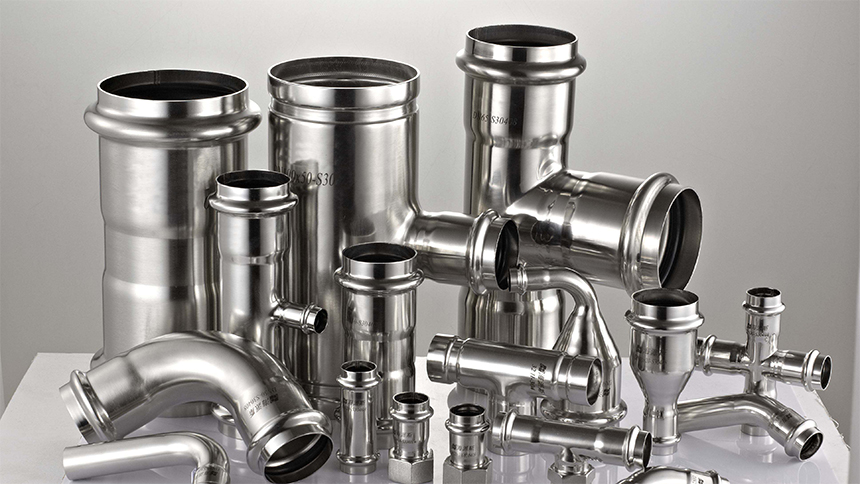
When choosing stainless steel for commercial kitchens, hospitals, or industrial environments, the most common question is: Should I use SS304 or SS316?
Both are high-quality stainless steel grades known for strength, hygiene, and corrosion resistance—but each has unique properties that make it better suited for specific applications.
In this guide, we break down the key differences, best use cases, and how to choose the right grade for your project.
Main difference:
SS316 has molybdenum, giving it superior protection in harsh or chemical-heavy environments.
If your environment involves salt, disinfectants, or exposure to chemicals, SS316 is the better choice.
Both grades are extremely strong and durable, but:
For normal kitchen and industrial equipment, SS304 already offers more than enough strength.
Both SS304 and SS316:
However, SS316 is preferred in medical environments and pharmaceutical applications because of its enhanced resistance to sterilization chemicals.
This price difference matters when making large quantities of equipment.
To conclude, SS304 and SS316 are both excellent stainless steel grades, each offering durability, strength, and hygiene.
For most applications, especially commercial kitchens, SS304 is the ideal choice.
But for medical, chemical, or coastal environments, SS316 provides superior protection and long-term reliability.
If you’re uncertain which grade is best for your project, our team can help you assess your requirements and recommend the right solution.